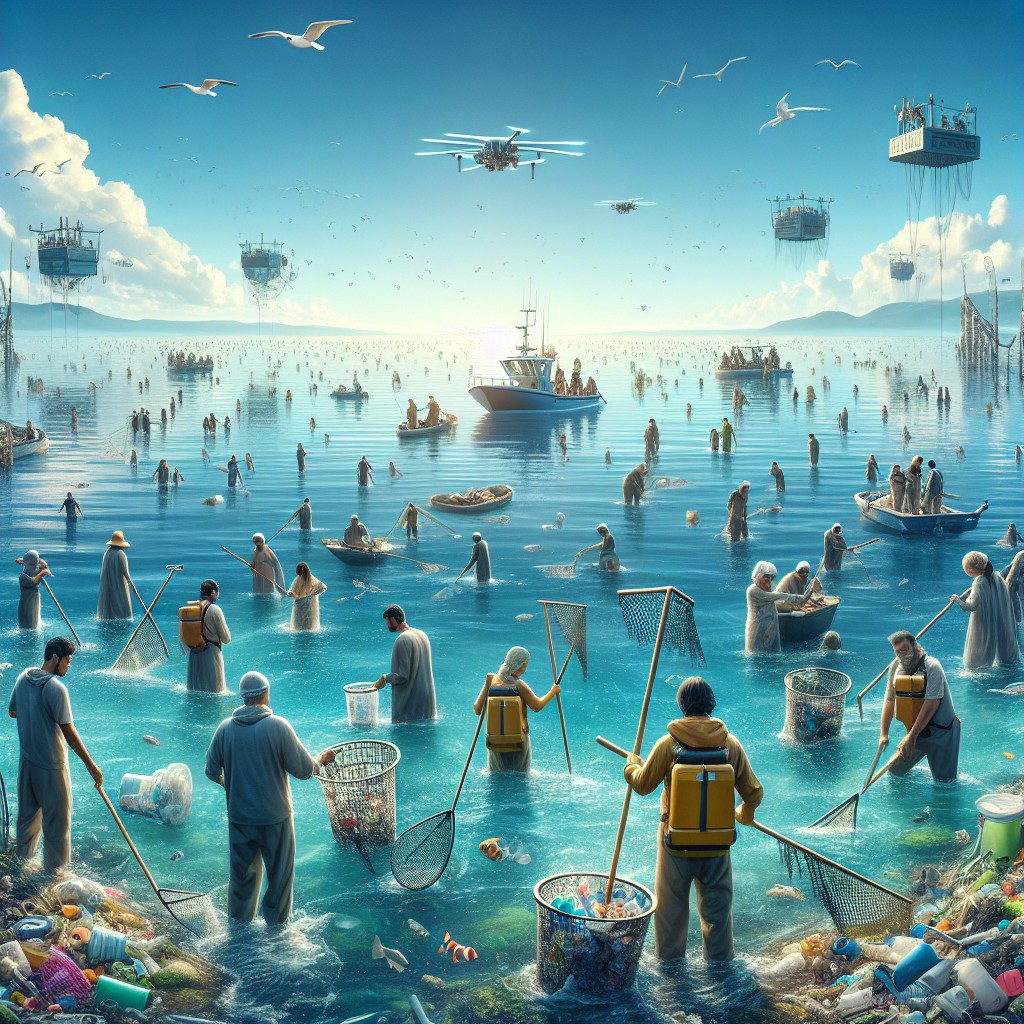
Marine pollution from plastic waste continues to be a pressing environmental issue, prompting innovators and organizations worldwide to develop scalable solutions. Efforts addressing ocean plastics have moved beyond small experiments, aiming for broad implementation to reduce the growing threat to marine ecosystems.
Current challenges in tackling ocean plastics
Despite increased awareness, the volume of plastics entering oceans remains high due to inadequate waste management infrastructure and the complexity of marine environments. Plastic debris varies from large visible items to microplastics, complicating collection efforts. Countries with limited resources face difficulties implementing effective systems, making it vital to develop universally adaptable approaches. Furthermore, the persistence of plastics in the environment and their breakdown into harmful micro-particles require urgent and scalable solutions.
Innovative technologies pushing beyond pilot stages
Recent advancements include deployment of autonomous marine drones designed to collect plastic debris efficiently over vast ocean spaces. Some initiatives combine data analytics to identify pollution hotspots, optimizing cleanup routes. Recycling technologies have improved to process collected ocean plastics into usable raw materials, promoting circular economy principles. Startups and research institutions collaborate to refine these technologies, proving their effectiveness at larger scales beyond initial trials.
Government and multinational cooperation
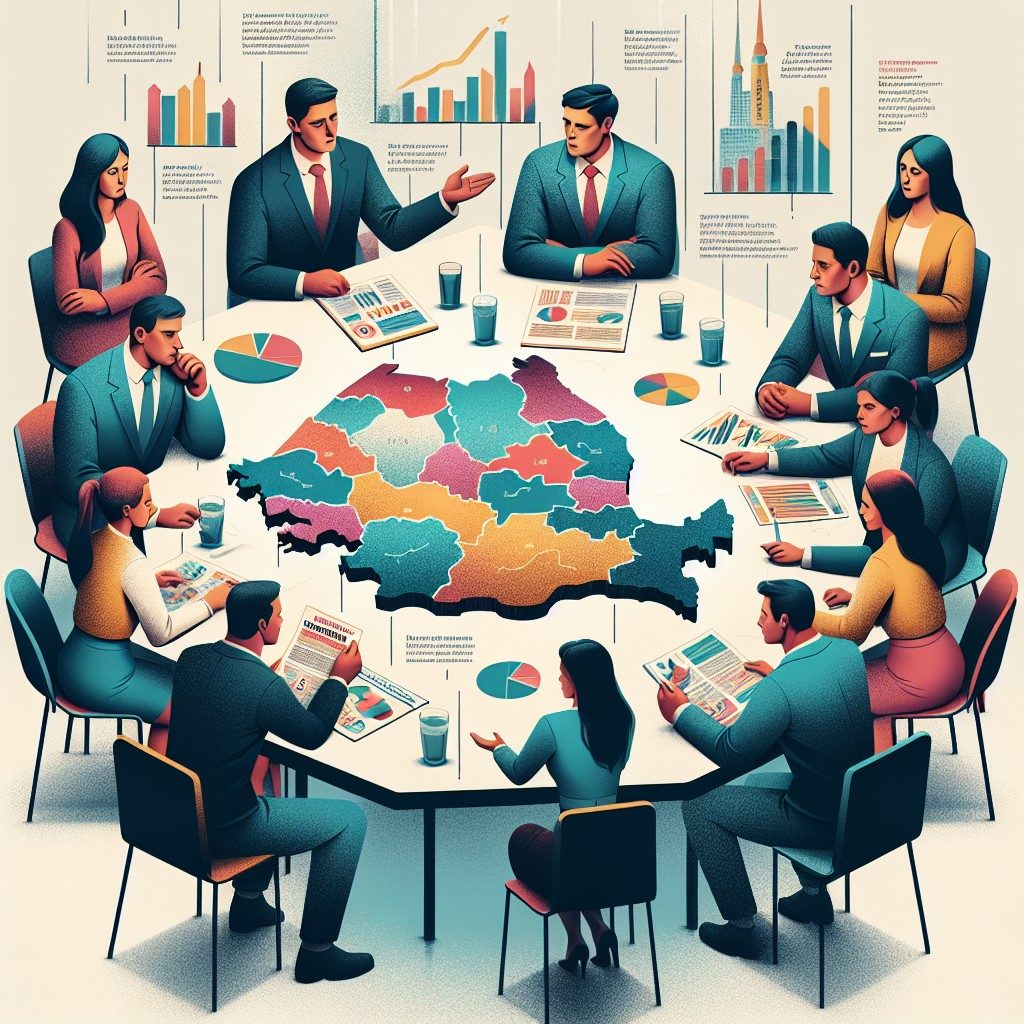
International cooperation is essential to address ocean plastics at scale. Governments are integrating plastic waste reduction goals into national policies aligned with global commitments such as the UN’s Clean Seas campaign. Funding mechanisms and regulatory frameworks are evolving to support larger deployment of successful pilot interventions. Collaborative platforms enable knowledge exchange and resource pooling between nations, NGOs, and private sectors.
Corporate engagement and sustainable product design
Many corporations participate actively in ocean plastics solutions by redesigning packaging to be more recyclable or biodegradable, reducing overall plastic production. Partnerships between companies and environmental groups promote responsible sourcing and support cleanup operations. These efforts, when scaled across industries, contribute significantly to reducing the volume of plastics entering marine ecosystems and improving the recovery of existing pollution.
Community-led initiatives scaling through digital tools
Local communities are increasingly empowered by digital applications that facilitate reporting, mapping, and organizing beach cleanups. These platforms enable community efforts to gain visibility and funding, allowing successful projects to scale regionally. Educating populations on the impact of ocean plastics and fostering sustainable behaviors complement technological and policy measures, ensuring holistic approaches to the issue.
In conclusion, the shift from pilot programs to scalable ocean plastics solutions relies on a multidisciplinary approach incorporating technology, policy, industry engagement, and community participation. With ongoing collaborations and increased investment, it is feasible that effective large-scale interventions will substantially mitigate the impact of plastic pollution on marine environments in the coming decades. Continued monitoring and innovation will remain essential to sustaining progress.
Frequently Asked Questions about ocean plastics
What are ocean plastics and why are they a problem?
Ocean plastics refer to plastic debris found in marine environments, which harm wildlife, degrade habitats, and introduce toxic substances into the food chain. Their persistence and volume make them a significant environmental concern globally.
How do solutions for ocean plastics move beyond pilot programs?
Scaling solutions involves enhancing technologies, securing sustained funding, implementing supportive policies, and fostering collaborations that allow pilot ideas to operate effectively on larger geographical and operational scales.
Which technologies are most effective in addressing ocean plastics?
Technologies such as autonomous collection drones, advanced sorting and recycling systems, and data-driven monitoring platforms demonstrate effectiveness in ocean plastics management when deployed at scale beyond pilots.
What role do governments play in combating ocean plastics?
Governments establish regulations, provide funding, and facilitate international cooperation that enables coordinated efforts to reduce ocean plastics pollution through prevention, cleanup, and education.
Can individual actions contribute to solutions for ocean plastics?
Yes, individuals can participate in cleanup efforts, reduce single-use plastics, support sustainable products, and engage in advocacy, all of which cumulatively impact the reduction of ocean plastics pollution.