The global landscape of food security is increasingly under strain due to a complex interplay of environmental, economic, and geopolitical factors. As nations grapple with fluctuating staple food supplies, policymakers are employing various strategies to cushion the impacts and ensure reliable access to essential nutrients. This article examines the current pressures on food security and the policies designed to maintain stable staple food availability.
Rising Environmental Challenges Affecting Food Production
Climate change continues to exert significant pressure on agricultural productivity worldwide. Unpredictable weather patterns, extended droughts, and increased incidence of pests have disrupted the growth cycles of key staple crops such as wheat, rice, and maize. These environmental challenges have led to decreased yields in some of the world’s major food-producing regions, threatening both domestic food sufficiency and international food markets. As a result, food security remains precarious in many vulnerable countries where dependence on staple foods is high.
Economic Instability and Its Impact on Food Access
Economic volatility, including inflation and fluctuations in currency markets, has also contributed to pressures on food security. Rising production costs for fertilizers, fuel, and other agricultural inputs have increased the prices of staple commodities. Many low- and middle-income households face reduced purchasing power, which undermines their ability to access sufficient and nutritious food. Governments in affected regions are challenged to balance fiscal constraints with the need to subsidize or otherwise support staple food availability.
Trade Disruptions and Geopolitical Tensions
Trade policies and geopolitical conflicts further complicate the food security landscape. Export restrictions imposed by some grain-producing countries in response to domestic shortages have tightened global supply chains. Simultaneously, conflicts in key agricultural regions have disrupted production and transportation infrastructure. These disruptions have caused volatility in staple food prices internationally and heightened the risk of food insecurity in import-dependent nations.
Policy Responses Aimed at Stabilizing Staples
In response to these multifaceted challenges, governments and international organizations have implemented a range of policies to stabilize staple food supplies. Strategic grain reserves are being replenished to cushion sudden supply shocks. Some countries are investing in climate-resilient agricultural practices, such as drought-tolerant crop varieties and improved irrigation systems. Trade agreements are being revisited to ensure more predictable export flows, while social protection programs are expanded to improve food access for vulnerable populations. These measures aim to enhance overall food security by addressing both supply and demand-side factors.
The Role of International Cooperation in Addressing Food Security
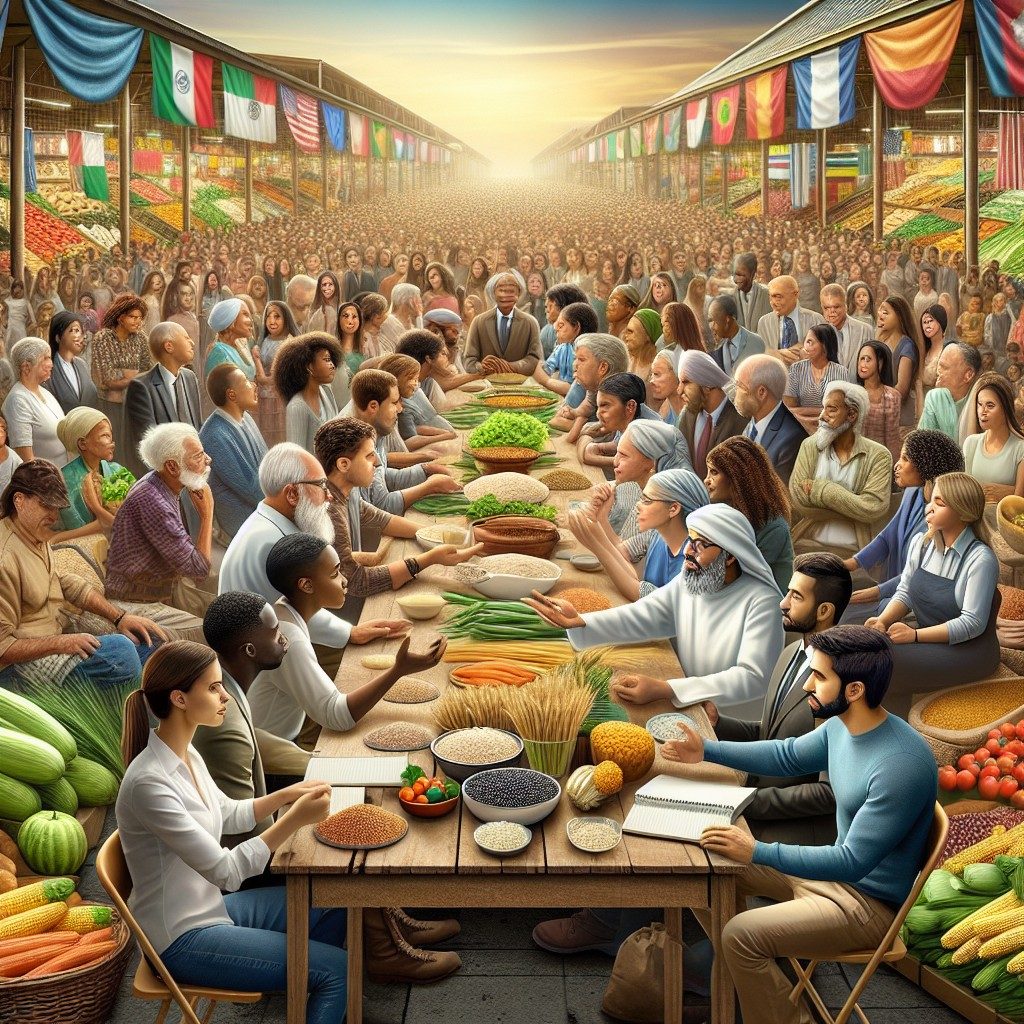
International collaboration plays a critical role in managing global food security risks. Organizations like the United Nations Food and Agriculture Organization (FAO) provide essential data monitoring and early warning systems to anticipate food crises. Cross-border partnerships promote knowledge sharing and coordinated responses to environmental shocks and market disruptions. Strengthening such multilateral efforts is crucial to creating resilient food systems capable of withstanding ongoing and future challenges to food security.
In conclusion, the pressures on food security from environmental, economic, and geopolitical fronts necessitate a coherent combination of local initiatives and international policies. While challenges persist, ongoing investments in agricultural resilience, trade stability, and social supports provide a pathway toward sustaining staple food availability globally. Continuous adaptation and cooperation will be essential to mitigate risks and safeguard food security in the years to come.
Frequently Asked Questions about food security
What are the main factors currently impacting global food security?
Global food security is primarily impacted by climate change affecting crop yields, economic instability influencing food affordability, and geopolitical tensions disrupting trade and supply chains.
How do government policies help to stabilize staple food supplies?
Governments stabilize staple food supplies through measures such as maintaining strategic reserves, supporting climate-resilient farming, regulating trade, and providing social protection to vulnerable groups.
Why is international cooperation important for food security?
International cooperation is vital for sharing data, coordinating responses to crises, ensuring trade flows, and promoting sustainable agricultural practices that collectively support global food security.
What role does climate change play in food security pressures?
Climate change introduces unpredictable weather events, droughts, and pests that reduce agricultural productivity, thereby placing significant pressures on food security worldwide.
Can food security be maintained during economic downturns?
Maintaining food security during economic downturns requires targeted policies that support food production and access, including subsidies, social safety nets, and efforts to stabilize markets.