The ongoing discussions concerning the minimum wage in Romania are drawing significant attention from policymakers, economists, and citizens alike. This debate revolves around potential adjustments to the minimum wage, which policymakers argue could impact the economic dynamics of households across the country.
Background of the Minimum Wage Situation in Romania
Romania’s labor market has faced challenges regarding income inequality and living standards. The minimum wage, established by government regulation, serves as a legal baseline for the lowest remunerated work. Currently, the minimum wage in Romania is among the lower rates within the European Union, which raises concerns about its adequacy in supporting families amid inflation and rising living costs.
Economic Arguments for and Against Minimum Wage Changes
Proponents of increasing the minimum wage argue that it will improve household incomes and reduce poverty rates. They emphasize that a higher minimum wage can enhance purchasing power, which may lead to increased domestic consumption, potentially stimulating economic growth. On the other hand, critics maintain that abrupt or significant increases might burden employers, especially small and medium-sized enterprises, leading to adverse effects such as reduced employment or increased prices.
Potential Impact on Romanian Households
For many Romanian households, a higher minimum wage could mean better financial stability and an enhanced ability to meet basic needs. Increased earnings might allow families to allocate more resources to education, healthcare, and housing. However, the actual effects depend on broader economic conditions, including inflation rates and economic growth, which could offset some of the benefits of wage increases if costs rise correspondingly.
Government Measures and Social Dialogue
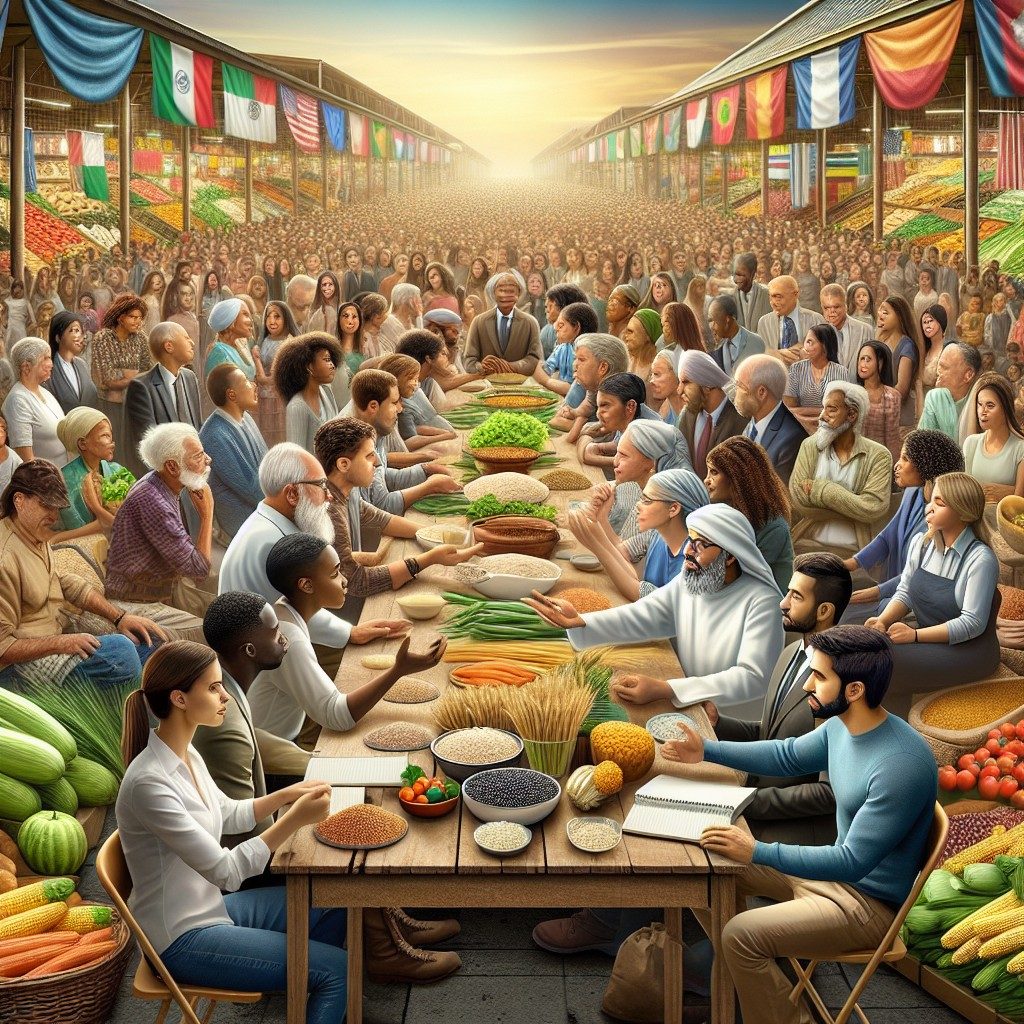
The Romanian government is engaging in consultations involving trade unions, employer associations, and economic experts to find a balanced approach to the minimum wage adjustment. This social dialogue aims to consider the economic realities faced by both workers and businesses. The government also monitors international benchmarks and best practices from other EU countries to guide its policy decisions effectively.
International Perspectives on Minimum Wage Policies
Globally, the minimum wage remains a critical tool for improving labor conditions and reducing poverty. International organizations such as the International Monetary Fund and the Organisation for Economic Co-operation and Development provide guidance and analysis about effective minimum wage policies. Romania’s considerations reflect a wider trend where governments seek to balance social welfare with economic competitiveness in an evolving labor market.
Conclusion
The minimum wage debate in Romania underscores the complex interplay between economic policy and social welfare. Adjustments to the minimum wage could positively influence household incomes and economic activity but require careful planning to mitigate potential drawbacks. Going forward, Romania’s policymakers will need to continue fostering inclusive dialogue and rely on data-driven analyses to ensure that any changes benefit both workers and the broader economy.
Frequently Asked Questions about minimum wage
What is the current minimum wage in Romania?
The current minimum wage in Romania is set by the government and is periodically reviewed; exact figures can vary depending on updates from official government sources.
How does increasing the minimum wage affect Romanian households?
An increase in the minimum wage typically aims to improve the financial situation of lower-income households by raising their earnings, which can help with covering essential costs.
Are there any risks associated with raising the minimum wage in Romania?
Potential risks include higher costs for employers, which might lead to job reductions or increased prices; the government considers these factors carefully during policy discussions.
Who is involved in deciding the minimum wage changes in Romania?
The decision process involves government officials, trade unions, employer representatives, and economic experts working collaboratively through social dialogue forums.
How does Romania’s minimum wage compare internationally?
Romania’s minimum wage is relatively low compared to many EU countries; international organizations provide data and recommendations to help guide policy improvements.